It creates all sorts of imagery, like haunted houses, or cursed properties constructed on top of spiritual burial grounds or positioned on a sinkhole. Your home with the death pledge on it is the one technique or treaters are too scared to go near on Halloween. A home is a place you're supposed to pledge to reside in, not die.
In this case, when you borrow cash to purchase a home, you make a pledge to pay your lender back, and when the loan is paid off, the pledge dies. Odd referrals aside, how well do you truly understand the rest of your house loan basics? It is very important to understand the ins and outs of the lending procedure, the difference in between fixed and variable, principal and interest, prequalification and preapproval.
So, with that, we prepared this standard guide on home mortgages and mortgage. A mortgage is a home mortgage. When you pick a home you want to purchase, you're allowed to pay down a portion of the rate of the house (your down payment) while the loan provider-- a bank, credit union or other entity-- lets you borrow the remainder of the cash.
Why is this procedure in location? Well, if you're wealthy sufficient to pay for a house in cash, a home loan does not require to be a part of your monetary vernacular. But homes can be expensive, and a lot of individuals can't manage $200,000 (or $300,000, or $1 million) in advance, so it would be unfeasible to make you pay off a home before you're permitted to move in.
Some Known Questions About Which Credit Score Is Used For Mortgages.
Like many loans, a home mortgage is a trust in between you and your lender-- they have actually entrusted you with cash and are trusting you to repay it. Should you not, a secure is taken into place. Until you pay back the loan in full, your house is not yours; you're just living there.
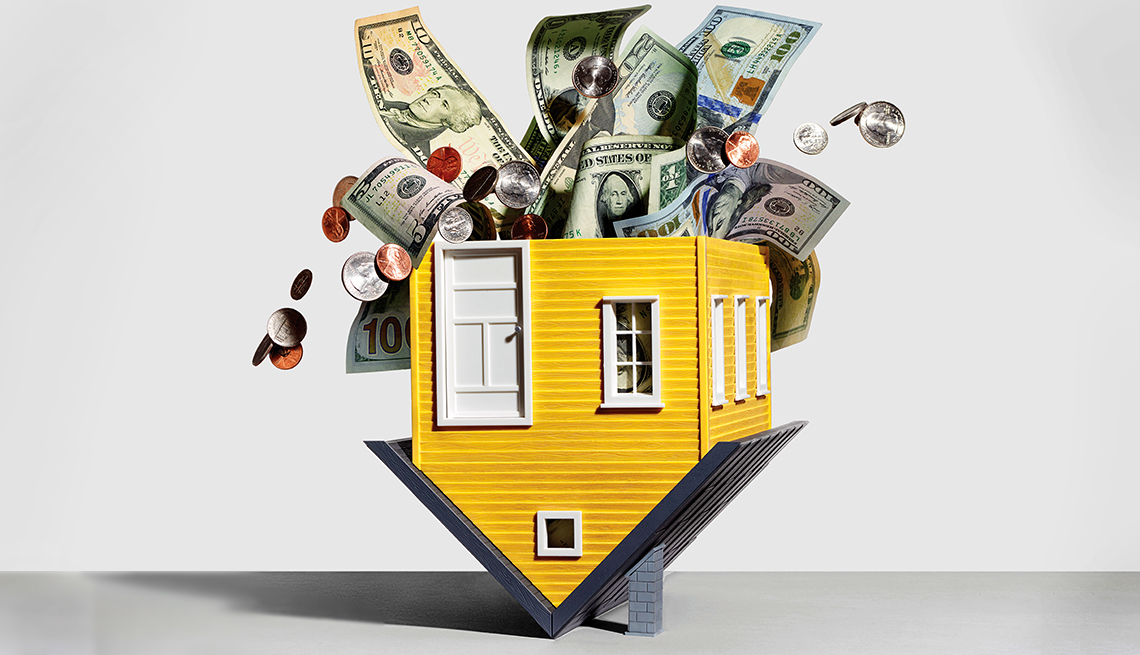
This is called foreclosure, and it's all part of the agreement. Home mortgages resemble other loans. You'll never ever borrow one swelling sum and owe the specific amount lent to you. Two concepts enter into play: principal and interest. Principal is the main amount borrowed from your lender after making your down payment.
How good it would be to take thirty years to pay that refund and not a penny more, however then, lenders would not make any cash off of providing money, and therefore, have no incentive to deal with you. That's why they charge interest: an extra, ongoing cost charged to you for the chance to borrow cash, which can raise your month-to-month home loan payments and make your purchase more pricey in the long run.
There are 2 kinds of mortgage, both defined by a different rates of interest structure. Fixed-rate home mortgages (FRMs) have a rates of interest that remains the same, or in a fixed position, for the life of the loan. Conventionally, mortgages are used in 15-year or 30-year repayment terms, so if you get that 7-percent fixed-rate loan, you'll be paying the same 7 percent without change, regardless if rate of interest in the wider economy increase or fall over time (which they will). what are reverse mortgages and how do they work.
Some Known Incorrect Statements About How Do Mortgages Work In Monopoly
So, you might begin off with 7 percent, but in a couple of years you may be paying 5. 9 percent, or 3. 7 percent, or 12. 1 percent - how many mortgages in the us.:+ Comfort that your rate of interest remains locked in over the life of the loan+ Monthly home loan payments remain the same-If rates fall, you'll be stuck to your original APR unless you re-finance your loan- Fixed rates tend to be higher than adjustable rates for the benefit of having an APR that will not change:+ APRs on lots of ARMs might ihg timeshare be lower compared to fixed-rate home mortgage, at least initially+ A wide array of adjustable rate loans are offered-- for example, a 3/1 ARM has a fixed rate for the first 36 months, adjustable thereafter; a 5/1 ARM, repaired for 60 months, adjustable later on; a 7/1 ARM, fixed for 84 months, adjustable after-While your interest rate how to get rid of a timeshare that is paid off could drop depending upon rates of interest conditions, it could increase, too, making monthly loan payments more pricey than hoped.
Credit report usually range in between 300 to 850 on the FICO scale, from poor to exceptional, determined by three major credit bureaus (TransUnion, Experian and Equifax). Keeping your credit totally free and clear of debt and taking the actions to enhance your credit rating can qualify you for the very best home mortgage rates, repaired or adjustable.
They both share similarities because being effectively prequalified and preapproved gets your foot in the door of that brand-new home, however there are some differences. Providing some standard financial details to a property agent as you look around for a home, like your credit rating, current income, any debt you might http://riverugrc095.theburnward.com/9-easy-facts-about-what-kind-of-mortgages-do-i-need-to-buy-rental-properties-shown have, and the amount of savings you might have can prequalify you for a loan-- basically a way of earmarking you in advance for a low-rate loan prior to you have actually requested it.
Prequalification is a basic, early step in the home loan process and does not include a hard check of your credit report, so your score will not be impacted. Preapproval comes after you have actually been prequalified, but before you have actually found a house. It's a way of prioritizing you for a loan over others bidding for the exact same home, based upon the strength of your finances, so when you do pursue the purchase of a home, most of the financial work is done.
The Facts About What Credit Score Model Is Used For Mortgages Uncovered
In the preapproval procedure, your potential lender does all the deep digging and exploring your financial background, like your credit report, to confirm the kind of loan you might get, plus the interest rate you 'd receive. By the end of the procedure, you should know precisely how much money the loan provider wants to let you borrow, plus an idea of what your home loan schedule will look like.
Home loan candidates with a rating higher than 700 are best poised for approval, though having a lower credit report will not right away disqualify you from obtaining a loan. Tidying up your credit will remove any doubt that you'll be authorized for the right loan at the best rates. Once you've been authorized for a mortgage, handed the secrets to your new house, moved in and began repaying your loan, there are some other things to bear in mind.
Your PMI is also a sort of collateral; the extra cash your pay in insurance coverage (on top of your principal and interest) is to ensure your lending institution earns money if you ever default on your loan. To prevent paying PMI or being viewed as a dangerous debtor, just acquire a house you can afford, and aim to have at least 20 percent down prior to borrowing the rest.
Initially, you'll be accountable for commissions and additional charges paid towards your broker or real estate representative. Then there'll be closing costs, paid when the home mortgage process "closes" and loan payment begins. Closing expenses can get expensive, for absence of a much better word, so brace yourself; they can vary between 2 to 5 percent of a house's purchase price.